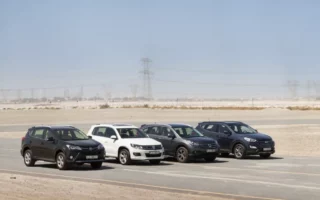
Chinese electric cars are increasingly gaining space on the streets and in dealerships across Brazil. The advancement of electric mobility, coupled with the competitiveness of Asian manufacturers, has boosted the presence of models from China, offering affordable prices, advanced technologies, and modern designs.
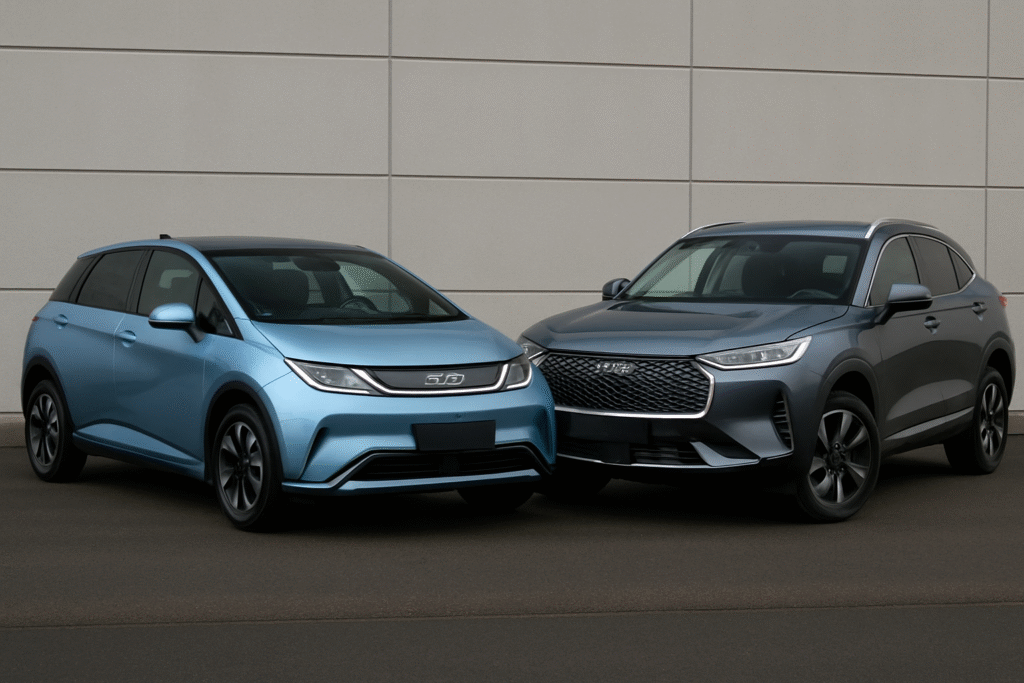
In this article, we will explore the main Chinese electric car brands operating in Brazil, the reasons for their growth, and the impact this trend may have on the national automotive sector.
First of all: Why are Chinese electric cars so popular?
The growth of Chinese electric cars in Brazil is no accident. The Asian country is currently the world's largest producer and consumer of electric vehicles. With government incentives, heavy investments in technology, and a skilled workforce, China has managed to create a highly competitive ecosystem.
As a result, several Chinese brands began exporting their vehicles to emerging markets, such as Brazil, offering high-quality products at more affordable prices than those of traditional automakers.
Furthermore, the demand for sustainable alternatives with lower pollutant emissions is driving the adoption of electric models. Similarly, rising fuel prices and the expansion of charging infrastructure in Brazil are contributing to this change in behavior.
Launches of Chinese Car Brands in Brazil: Trend or Passing Phase?
BYD: The leading brand among Chinese electric cars.
BYD (Build Your Dreams) is undoubtedly the leading representative of Chinese electric cars in Brazil. The brand began its operations with electric buses, but quickly expanded its presence in the passenger car market.
Among its best-known models are the BYD Dolphin, BYD Seal, and the BYD Yuan Plus SUV, which stand out for their excellent cost-benefit ratio, high range, and refined finish. The Dolphin, for example, offers more than 290 km of range at a competitive price, making it one of the best-selling electric vehicles in the country.
Furthermore, BYD announced the construction of a factory in Brazil, which promises to further strengthen its national presence. To learn more, visit [website address]. official BYD Brazil website.
GWM: Innovation from Great Wall Motors
Another Chinese giant that has made a strong entrance into Brazil is GWM (Great Wall Motors). The brand has invested heavily in plug-in hybrid and pure electric vehicles, most notably the Haval H6 PHEV, a luxury SUV with high range and remarkable performance.
With the purchase of the Mercedes-Benz factory in Iracemápolis (SP), GWM intends to nationalize the production of its vehicles, reducing costs and expanding its portfolio to meet the needs of the Brazilian consumer.
Great Wall also invests in embedded technology, connectivity, and modern design, key factors for the new profile of the urban consumer. Learn more at [website address]. www.gwmmotors.com.br.
Beings and other expanding players
While BYD and GWM lead the way, other Chinese brands are starting to make their mark on the national market. Seres, for example, has introduced models such as the Seres 3, an electric SUV (100%) focused on comfort, range, and good value for money.
Furthermore, companies like JAC Motors continue to operate their electric vehicle lineup in the country. Despite losing some prominence with the arrival of more modern competitors, JAC was one of the pioneers in offering electric cars in Brazil, with models such as the iEV40 and the iEV330P, the latter aimed at the commercial sector.
Therefore, it is possible to observe a growing diversification of the market, which tends to benefit the consumer with more options and better conditions.
Charging infrastructure keeps pace with growth.
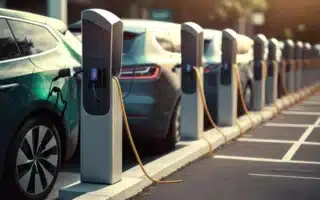
The increase in the fleet of Chinese electric cars in Brazil is also positively impacting the development of charging infrastructure. According to ABVE, there are already thousands of charging points in operation in Brazil, mainly in large urban centers and highway corridors.
Companies like WEG, Energisa, and Raízen are also investing in charging stations, with fast chargers and integration with location apps. As a result, drivers have more safety and convenience when using their electric cars on a daily basis.
Impacts on the Brazilian automobile market
The growing presence of Chinese electric cars is having a direct impact on the behavior of traditional automakers. Brands like Volkswagen, Chevrolet, and Fiat have accelerated their electrification plans in the country to avoid losing market share.
Furthermore, Brazilian consumers are more informed and demanding, seeking more efficient, connected, and sustainable vehicles. In other words, consumption patterns are changing, and Chinese competitiveness is putting pressure on the evolution of the sector as a whole.
On the other hand, challenges still exist, such as the high cost of the models, even with exemptions, and low availability in less developed regions. However, these obstacles tend to be overcome with the advancement of local production and the entry of new models.
Benefits of Chinese electric cars for the consumer
Among the main benefits of Chinese electric cars for the Brazilian consumer, the following stand out:
Competitive pricing: even imported models have prices similar to combustion engine SUVs.
High range: models like the Seal and the Haval H6 offer over 400 km on a single charge.
Low maintenance cost: since they don't have a combustion engine, maintenance is simpler.
Tax exemption: some states offer zero IPVA (vehicle property tax) or discounts for electric vehicles.
State-of-the-art technology: advanced assistance systems, multimedia, and embedded connectivity.
Comparison with traditional brands
Similarly, when comparing Chinese models with equivalents from traditional brands, it is noticeable that Chinese cars usually offer more standard features and a better cost-benefit ratio.
For example, the BYD Dolphin offers more range and technological features than some Renault and Peugeot models at a similar price. Similarly, the Haval H6 is comparable to hybrid SUVs from premium brands, but at a more affordable price.
Therefore, for those seeking innovation, cost savings, and sustainability, Chinese models are becoming increasingly attractive.
In conclusion
Chinese electric cars have arrived in Brazil to stay. Brands like BYD and GWM have not only gained market share, but are shaping the future of electric mobility in the country. With competitive products, cutting-edge technology, and strategic vision, these companies are expected to further dominate the market in the coming years.
In short, choosing a Chinese electric car represents not just a trend, but a smart decision for those seeking efficiency, sustainability, and innovation.
If you want to learn more about the growth of electric mobility in Brazil, check out our article on electric SUVs in Brazil. And for tips on fuel economy and maintenance, see also our content on hybrid and electric cars.